Jump to main content
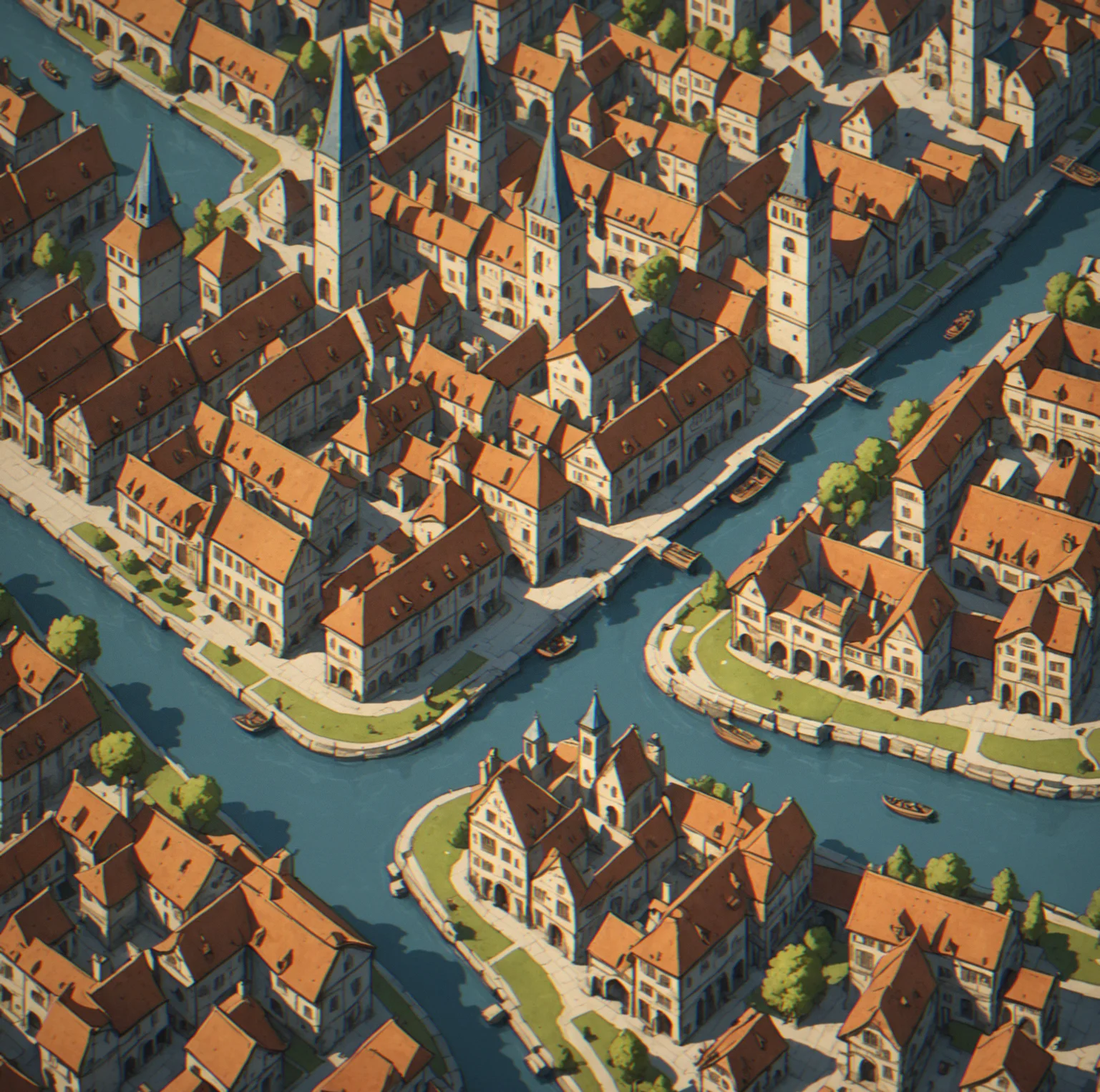
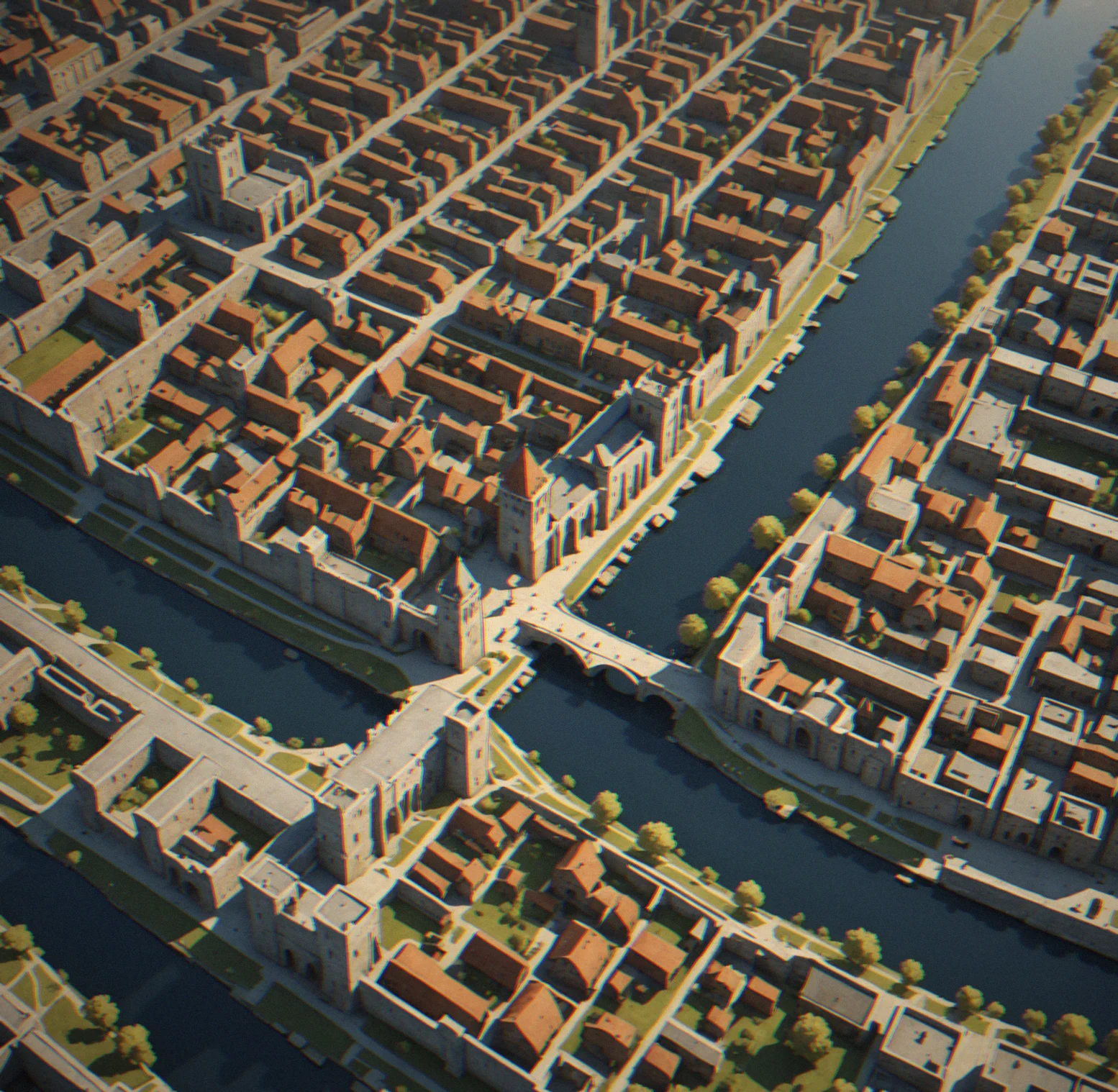
A hand-drawn map showing a city across four historical eras, with medieval timber buildings transitioning to renaissance stone structures, industrial factories and modern glass towers clustered around a persistent town square
A world that actaully remembers what you built

Design buildings that last forever

The choices you make stick around. Build through medieval times, the renaissance, the industrial boom, into the modern era — and nothing you've placed ever disappears.

Stonefolio is built on the idea that your projects matter long-term. When you commission something — maybe a timber market, a stone cathedral, an iron foundry — it stays. It changes where people trade, how many settle nearby, what the skyline looks like. Each era comes with its own limits. Medieval stone takes forever to lay. Factories pump smoke into neighboring districts. Modern glass catches the sun in ways you didn't expect. So you're not resetting between sessions and starting over with a blank slate. You're building one world that gets deeper and stranger the longer you play.

Start Building

How Stonefolio Works

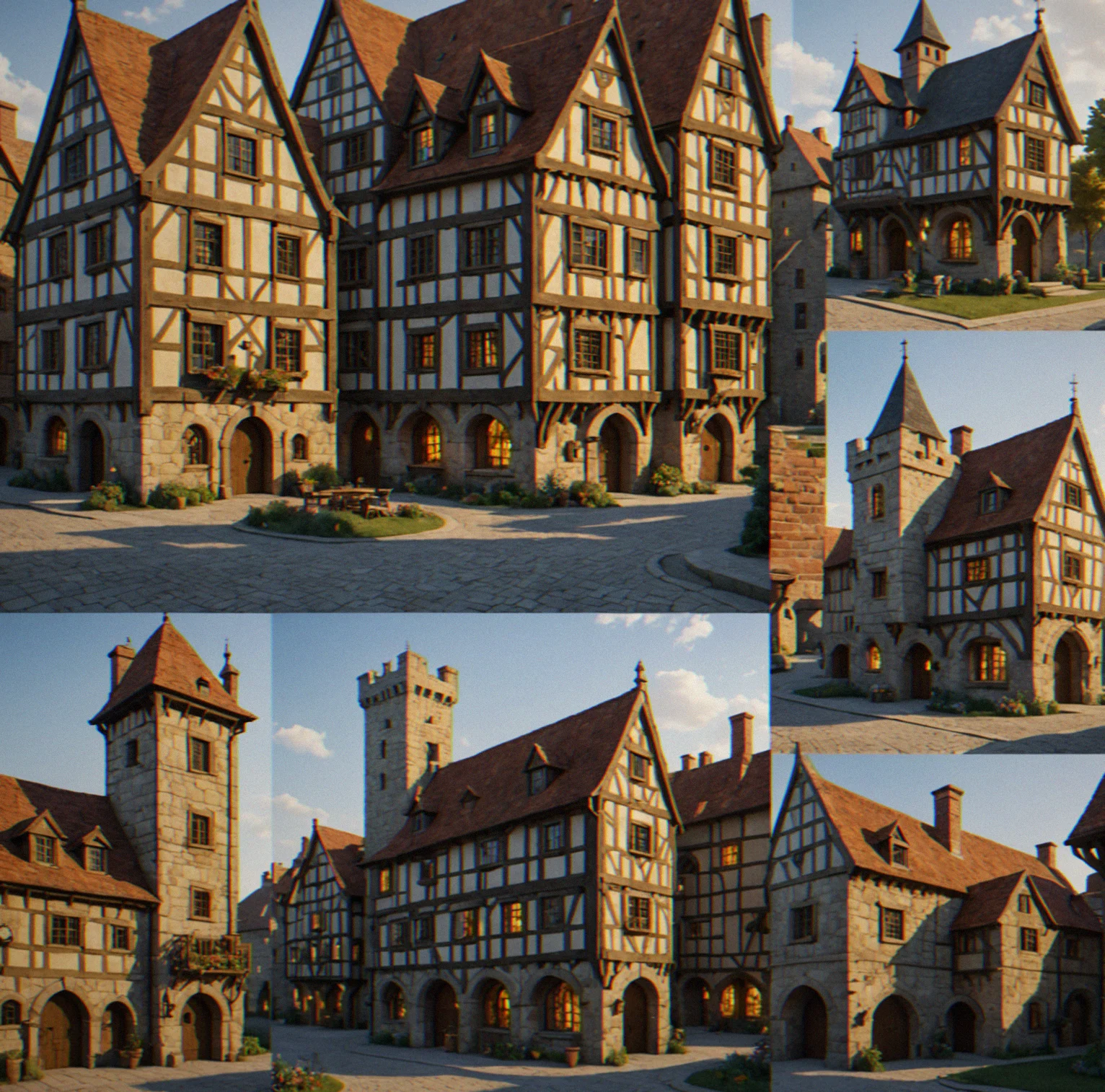
Four architectural styles arranged left to right: timber-frame medieval cottage, ornate renaissance palazzo, brick industrial warehouse, steel and glass modern office tower

Four Historical Eras

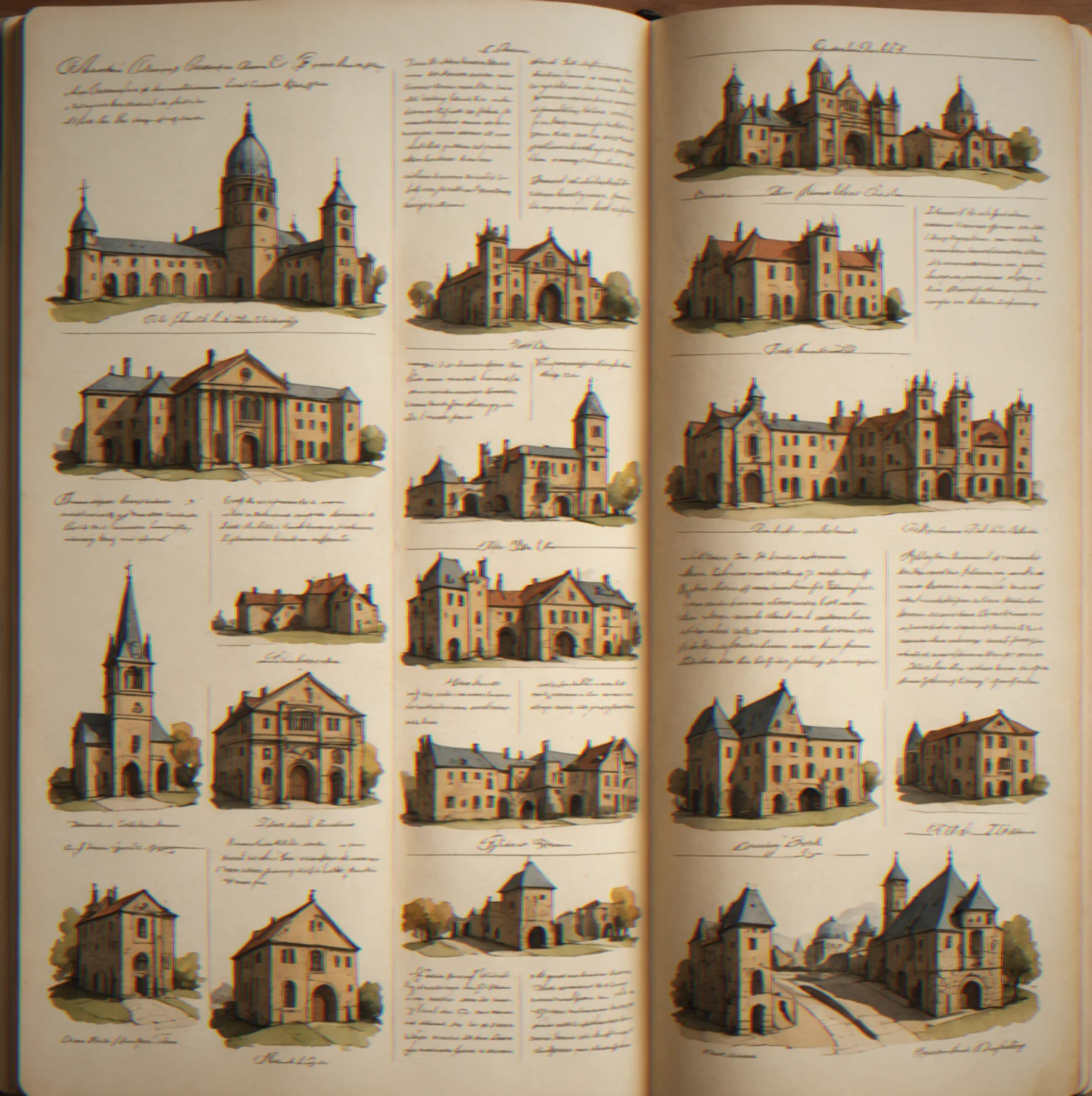
Medieval stone, renaissance marble, industrial iron, modern glass. Each one changes how fast you build and what things look like. A cathedral takes most of a year in medieval times. Modern cranes cut that down to three weeks.

Permanent Commissions

What you build stays. Forever. No demolition, no restart, no undo. Every decision stacks across your playthrough—roads you lay down in year one still carry traffic fifty years later.

Era-Specific Constraints

Medieval builders can't use concrete. Industrial zones pump out smoke that drifts across the map. Modern materials cost more but get things done faster. You solve problems within the rules of your time, not around them.

Trade-Off Design

A tall medieval tower blocks sunlight from farmland but improves defense. A harbour attracts merchants and noise pollution. You can't have everything. Every commission forces a choice—and that choice shapes what comes next.

Legacy Systems

Commissions unlock new projects. Build a market hall in year twelve and you unlock trade routes three years later. That trade route funds a cathedral by year twenty-two. Planning ahead pays off in ways the game actually tracks.

Hand-Crafted Map

Not procedurally generated. Every district, river, elevation change was placed on purpose. The map has character—and your buildings have to fit into it, not replace it.

Long-Term Planning Payoff

The game runs over a century. You watch your deccisions ripple forward—early choices unlock late-game projects you couldn't see coming at the start. Patience has visible rewards.

Narrative Progression

The world has stories. NPCs mention your buildings. Chronicles record what you've built and why. You're not just placing objects—you're writing the region's history.

Understanding the Commission System

Three mechanics that drive how you approach building

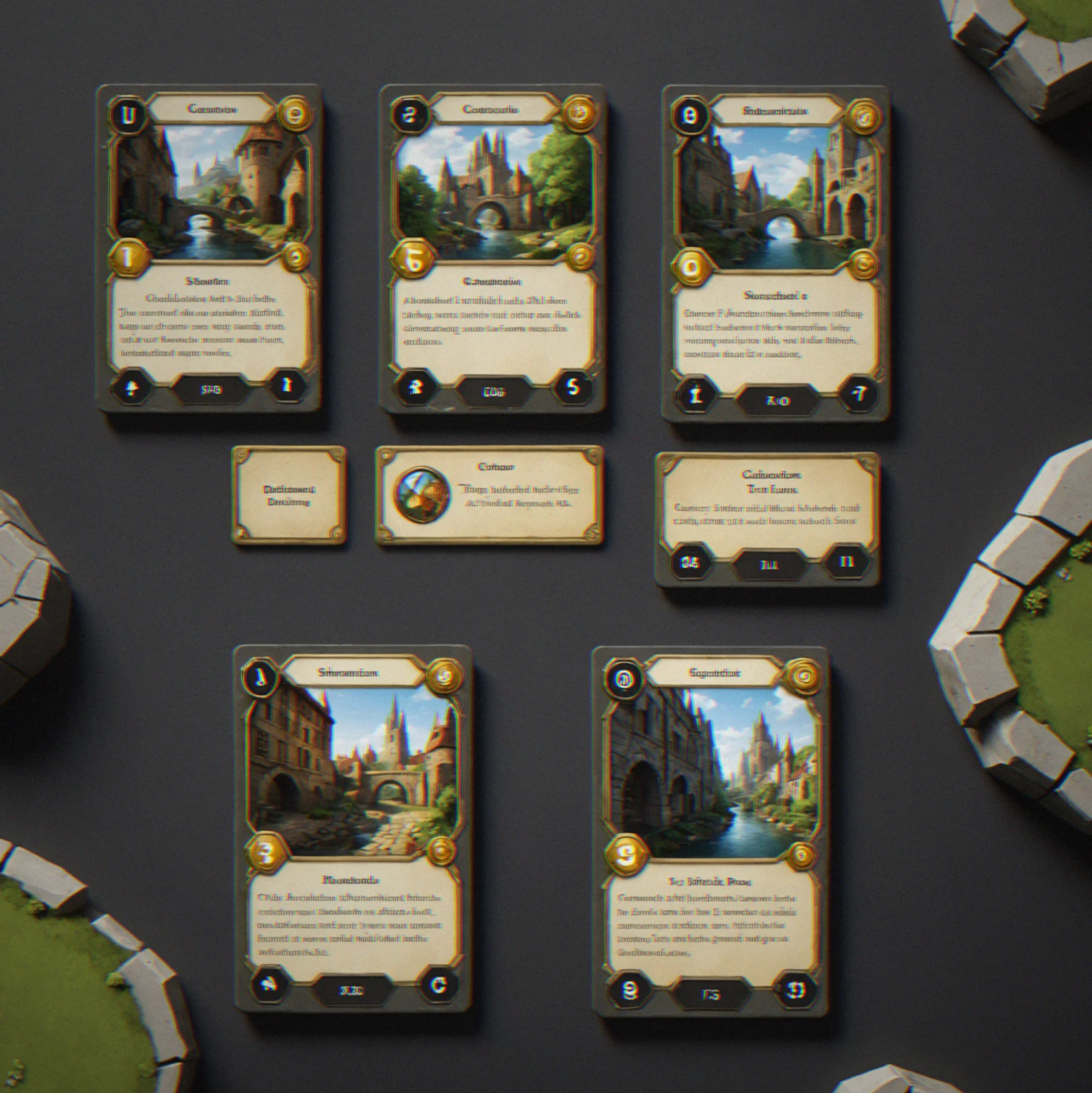
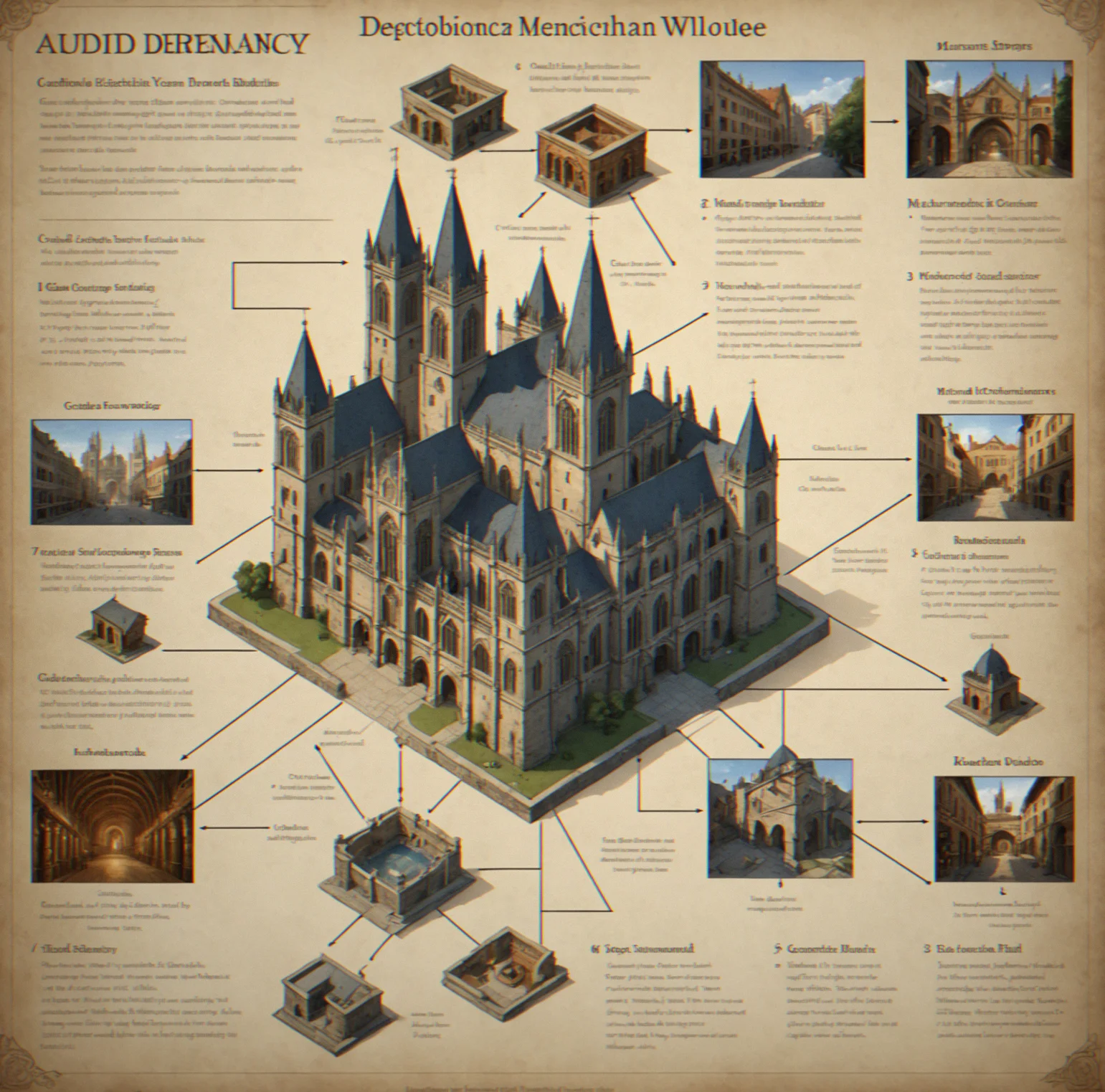
A UI mockup showing three commission cards fanned out: a stone bridge, a mill, and a cathedral, each with resource cost, duration and impact zone clearly labeled

Commissions Are Permanent Once You Start Them

You can't just plop buildings wherever you want. Instead you pick from a list of commissions—each one is a specific project with its own costs, timeline and results. Want to build a medieval stone bridge? That's going to take about 14 months and eat up roughly 40 tiles of space. Once you commit, you're locked in. No backing out, no do-overs. It forces actual planning because the world doesn't forget what you build.

Four vertical columns representing eras, each showing available materials, build speed multipliers and pollution/side-effect ranges with icons and percentage values

Each Era Comes With Its Own Constraints

Medieval times mean you're working with timber, stone and people power. Jump to the Renaissance and you get marble, better building techniques. The Industrial era speeds things up but leaves pollution in its wake. Modern era is fast and precise though it'll drain your wallet. You're not just choosing which building to make—you're solving a problem within whatever materials and rules your era allows. The puzzle changes completely depending on when you're building.

A branching network diagram showing a stone bridge leading to increased trade, which unlocks three new commission options: a warehouse, a tavern, and a toll booth

What You Build Today Enables Tomorrow

Every commission you complete has knock-on effects down the line. Build a market in year 12 and by year 15 merchants start showing up naturally. Those merchants bring money that lets you fund bigger projects like a cathedral. A cathedral draws scholars who want a library built nearby. Before you know it, one early decision opened up a whole chain of possibilities you never saw coming. It's satisfying because you can actually watch it unfold.

Building Across Four Eras

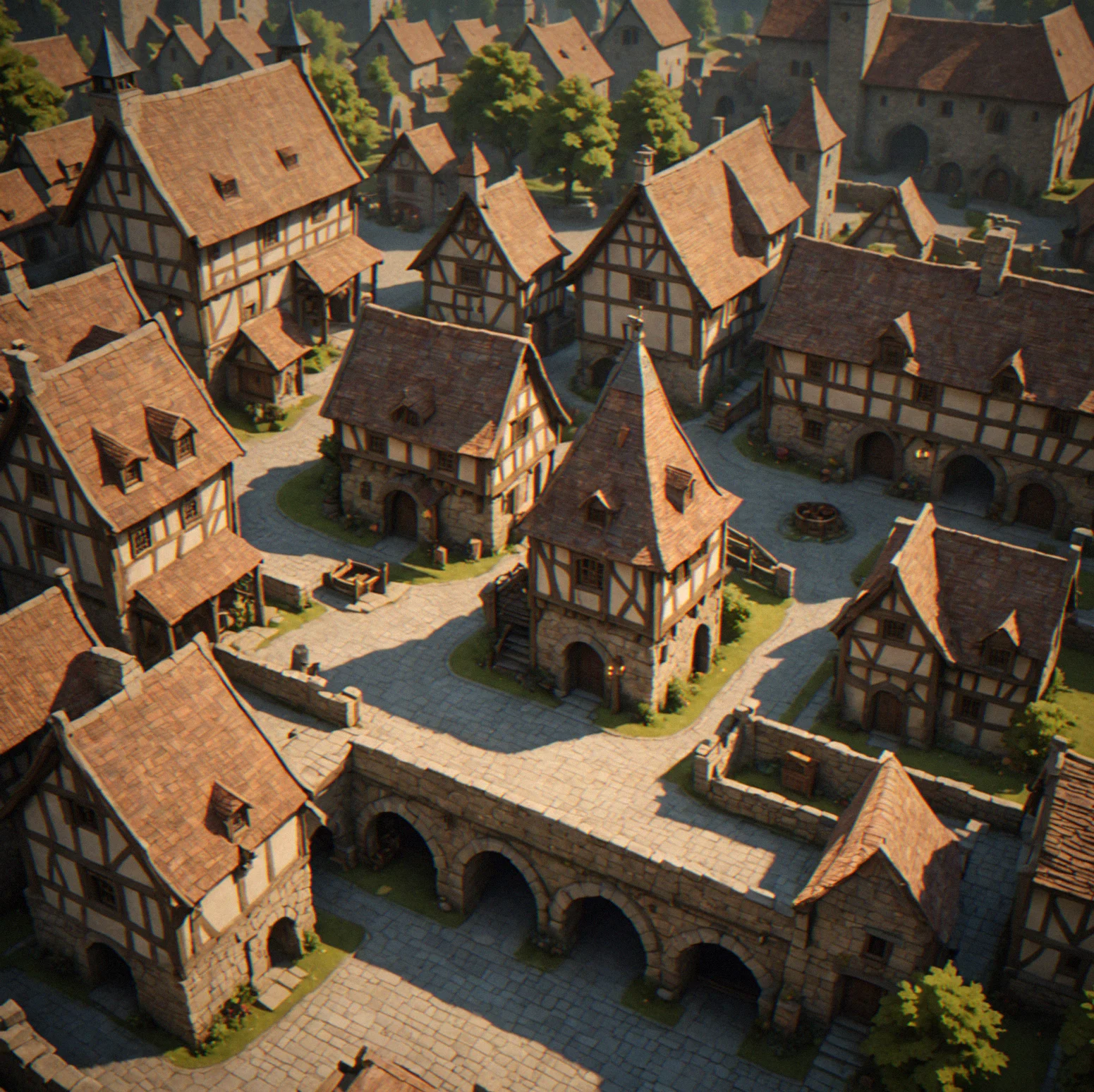
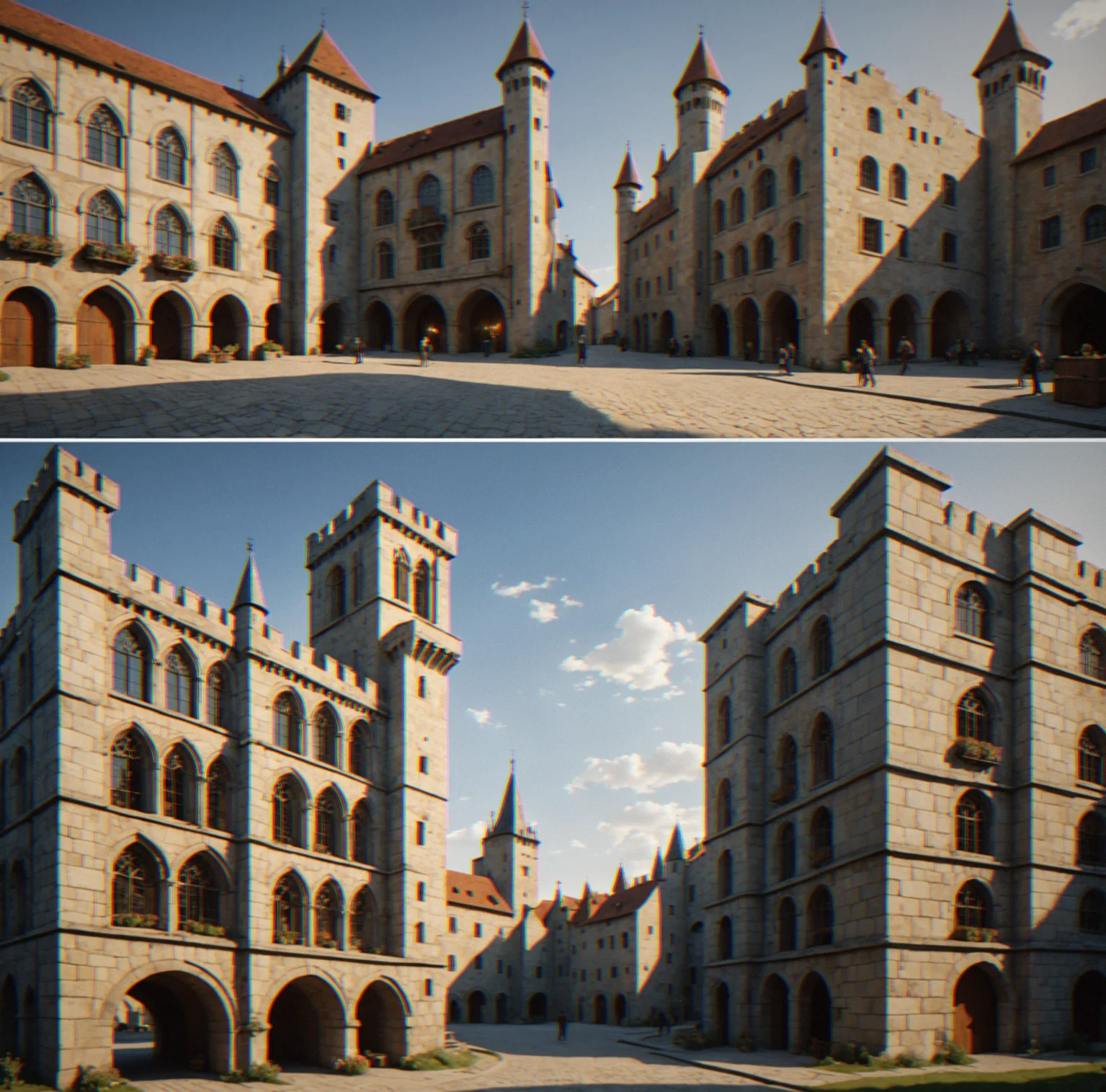
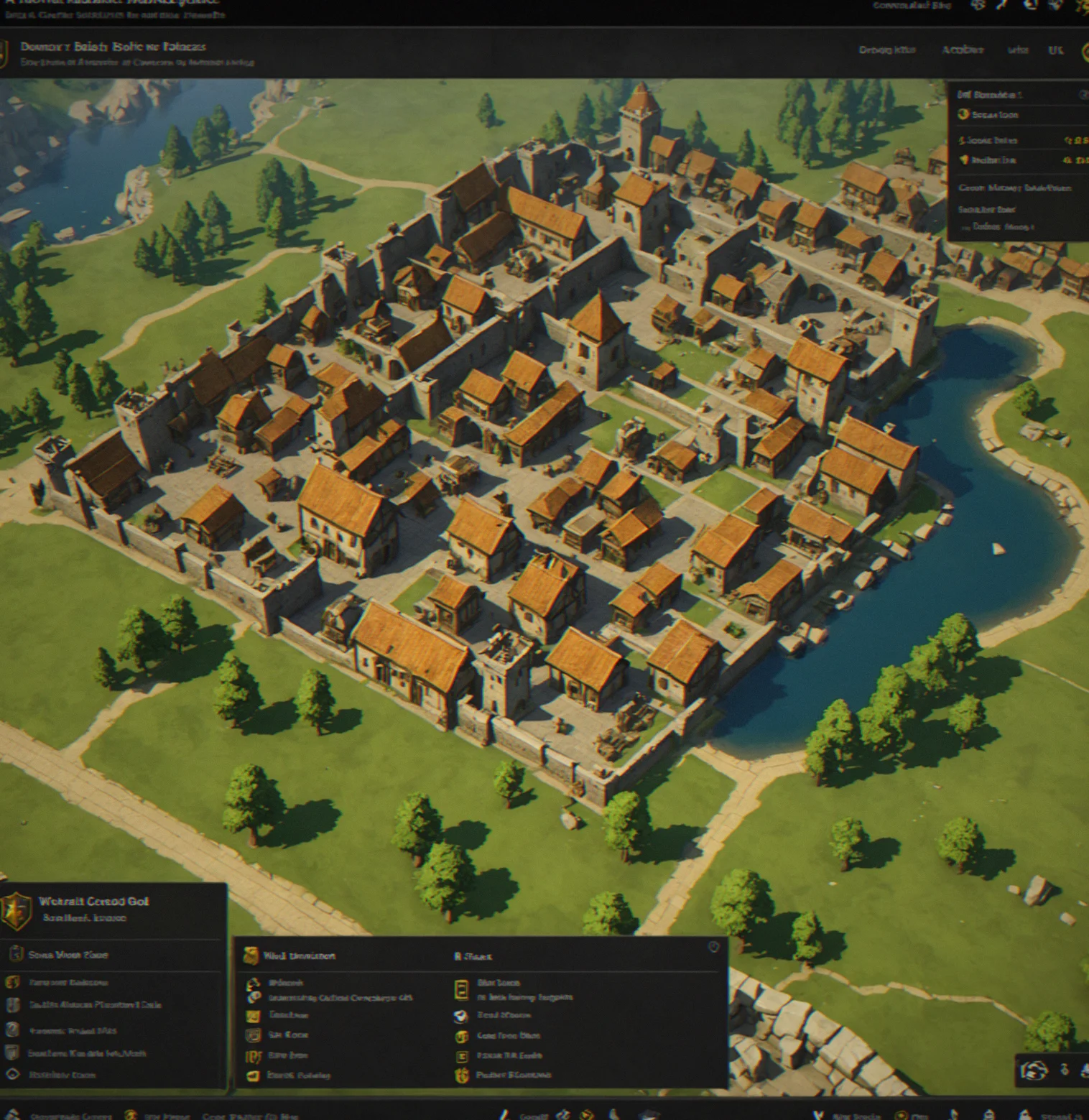
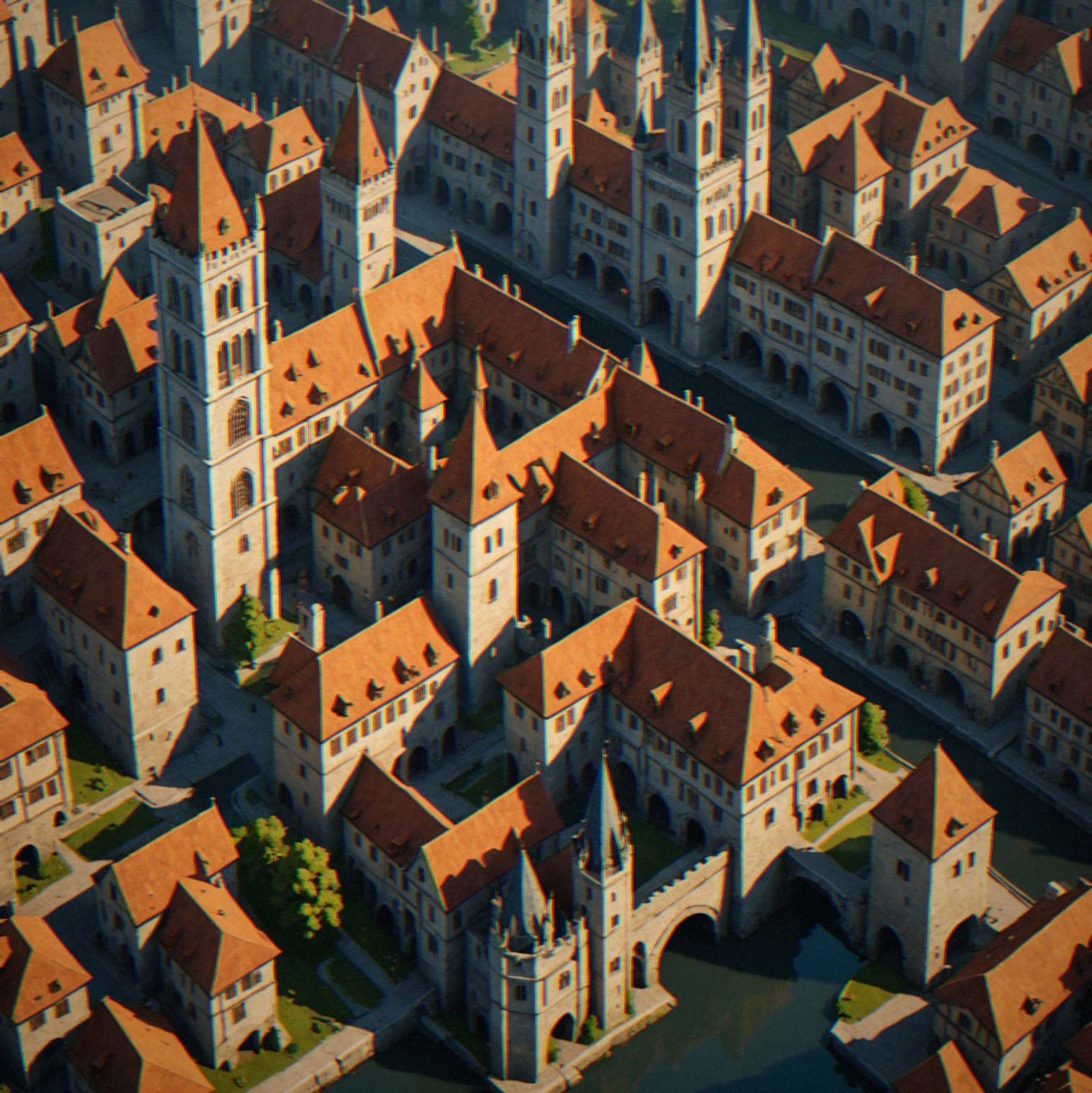
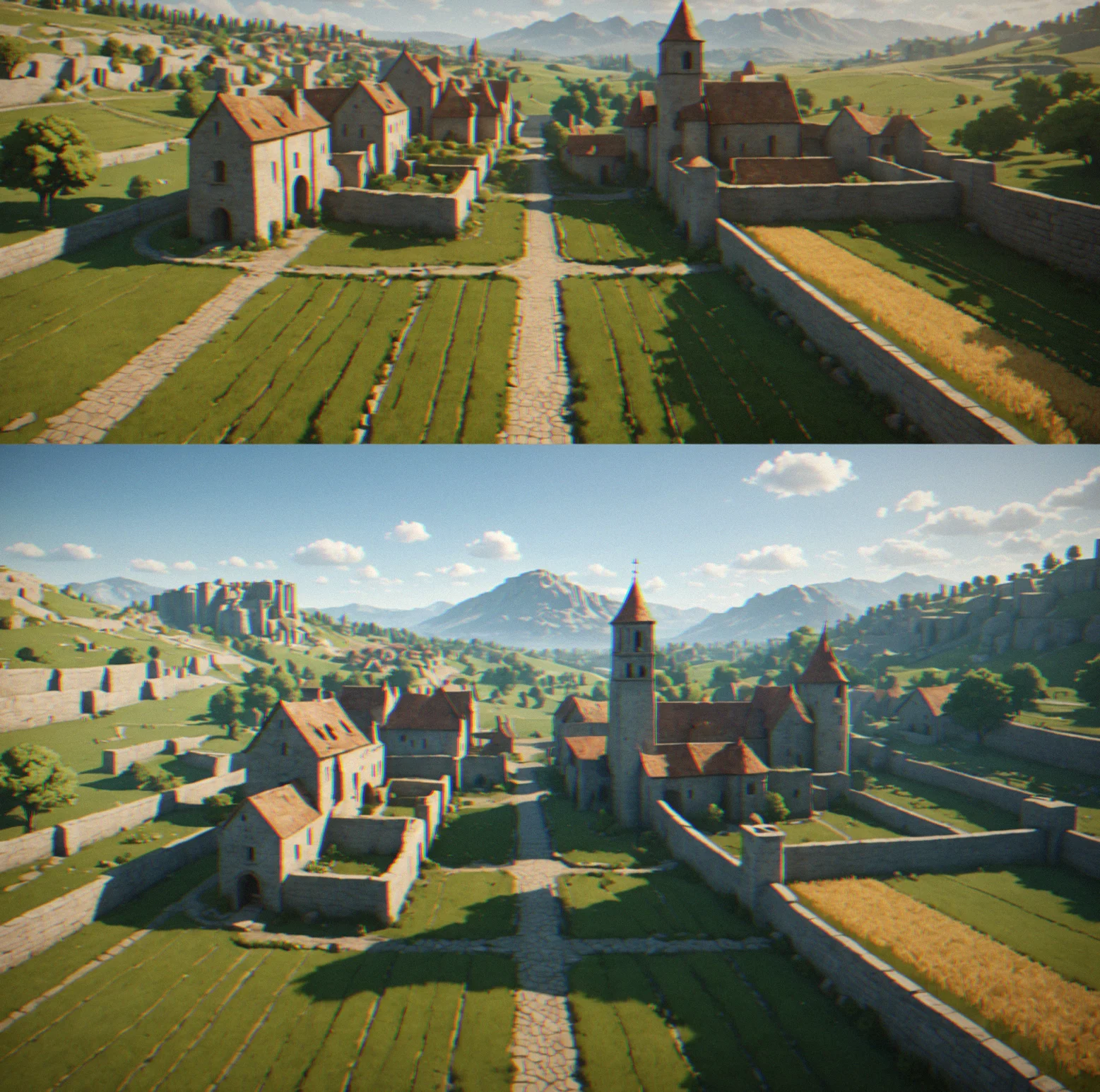
A medieval settlement with timber-frame houses, a stone church, and wooden palisade walls surrounding a central dirt courtyard

Medieval: Foundation & Limits

Start here. Stone, timber, manual labor. Your tools are basic but the map is blank. A modest keep takes about 16 months to build. You're establishing the skeleton that future eras will build on top of.

A growth chart showing population climbing incrementally over decades, with key points marked where new housing or granaries were commissioned

Medieval: Population & Patience

Medieval projects move slow. Population growth depends on housing and food stability. You're playing the long game here—early commissions won't pay off for decades but they anchor everything that comes next.

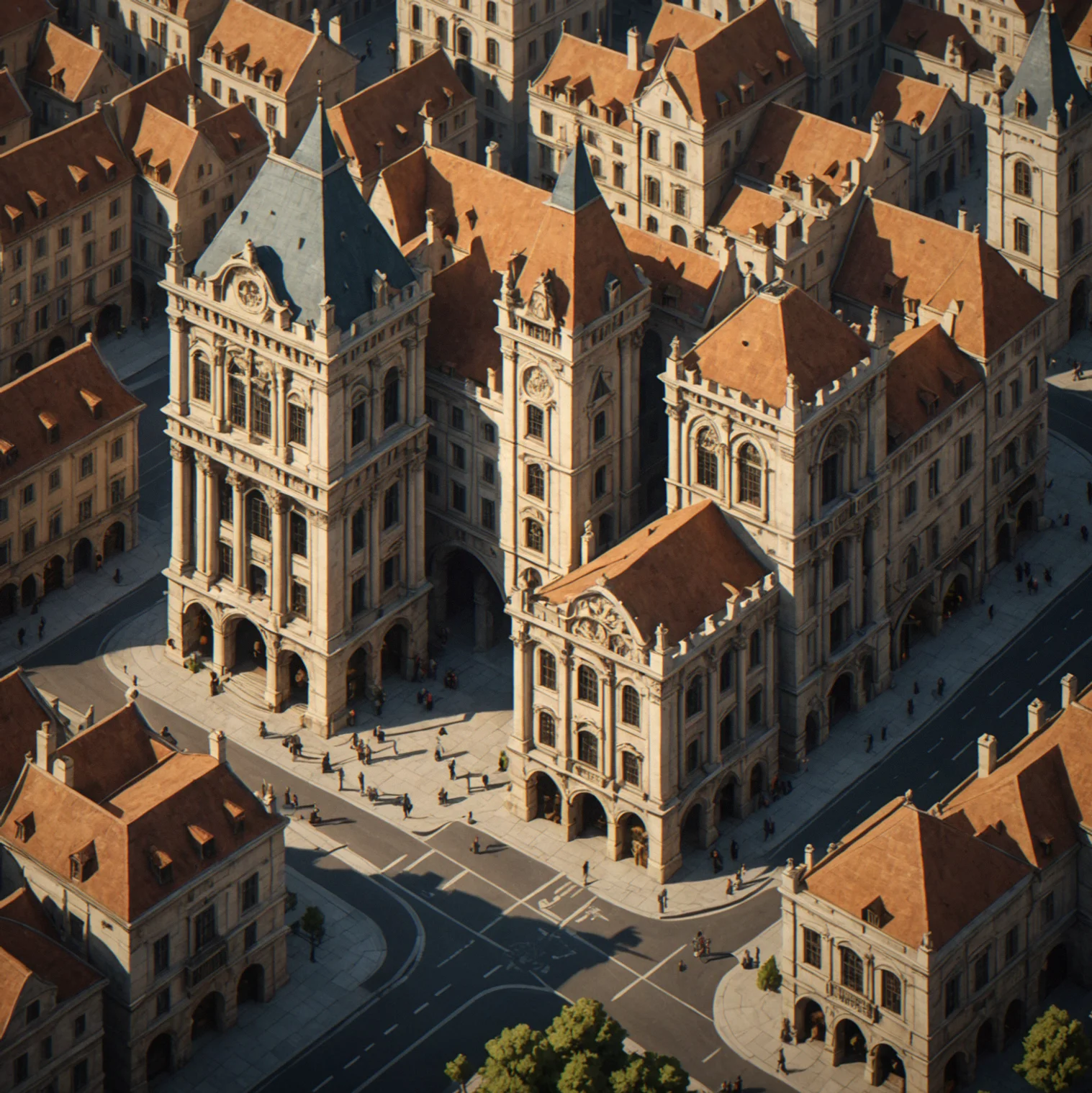
A city district transformed with ornate stone facades, marble-columned piazzas, and symmetrical stredt layouts replacing the medieval organic sprawl

Renaissance: Refinement & Wealth

Marble becomes available. Architects gain precision. Your city starts to look intentional instead of emergent. Trade picks up and building times drop as tools and techniques improve.

A parchment-style journal page with handwritten names of commissioned buildings and dates, illustrated with small sketches of each structure

Renaissance: Narrative Depth

NPCs start naming streets after your buildings. Chronicles mention the cathedral you commissioned four decades ago. The world stops being a puzzle and starts being a place.

A dense industrial quarter with brick factories belching smoke, railway tracks cutting through districts and pollution radius zones marked in red around facilities

Industrial: Speed & Pollution

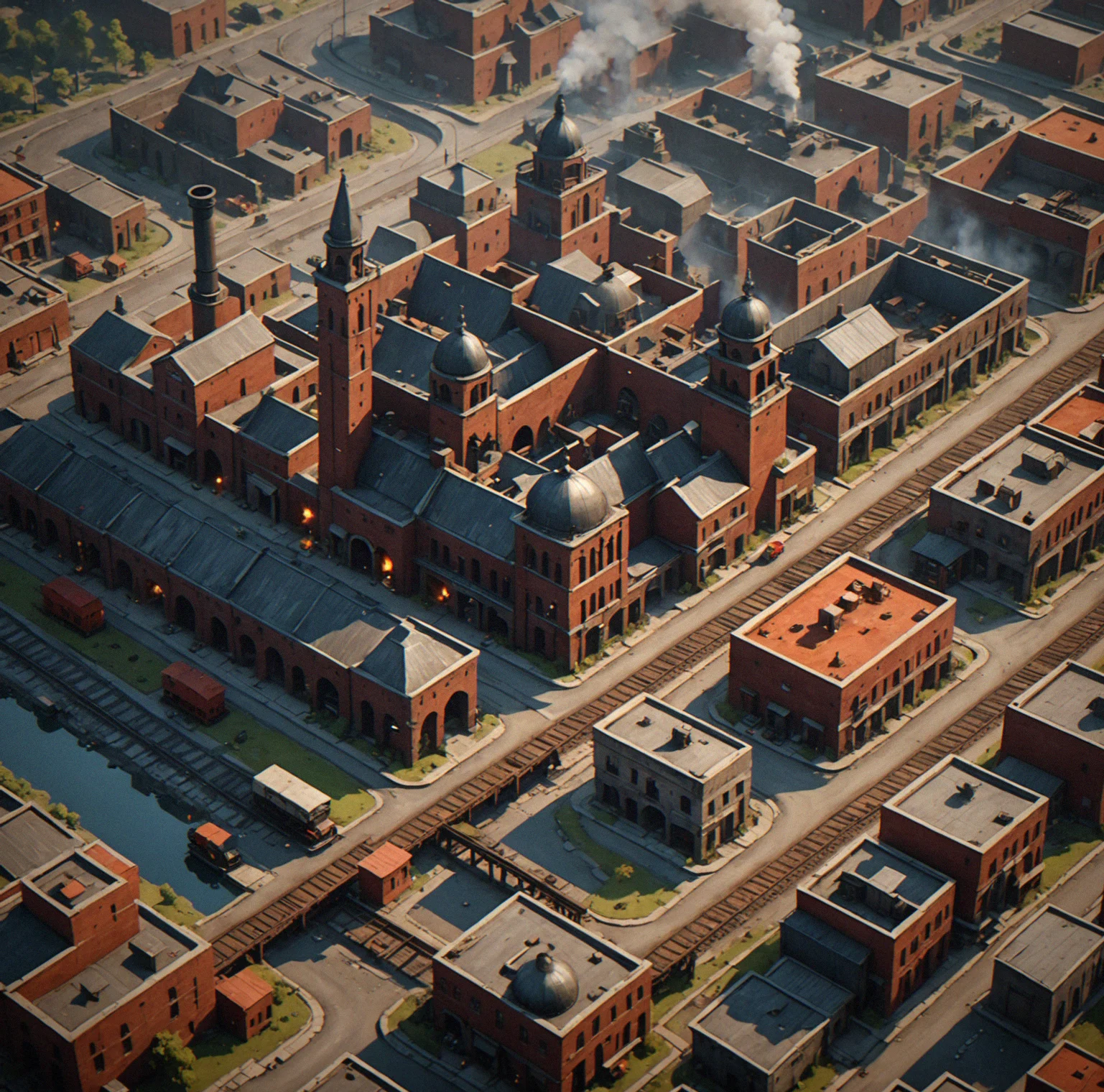
Factories, railways, mass production. Everything accelerates. Smoke and noise spread across adjacent zones, affecting how people feel about living there and what crops can grow. Progress has costs you have to manage.

A decision tree diagram showing a coal mine branching into power generation, which splits into three industrial facility types and their unlock chains

Industrial: Legacy Chains

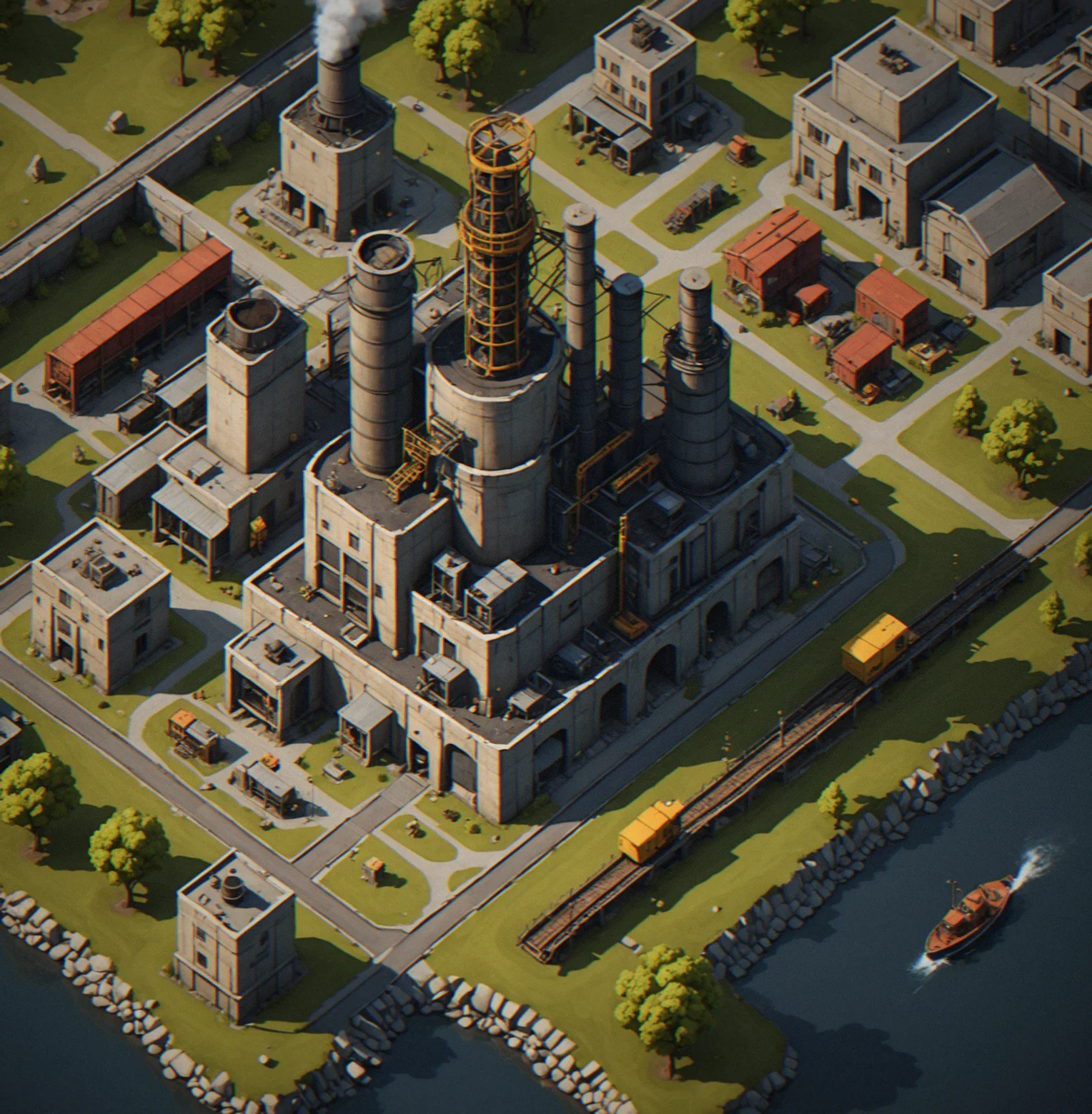
Build a coal mine and unlock a power plant. Power plant funds steel mills. Steel mills attract factories. One commission opens several downstream options you couldn't access before.

A modern skyline with gleaming skyscrapers clustered densely, surrounded by highways, parking structures, and public transit hubs interconnecting tall districts

Modern: Density & Complexity

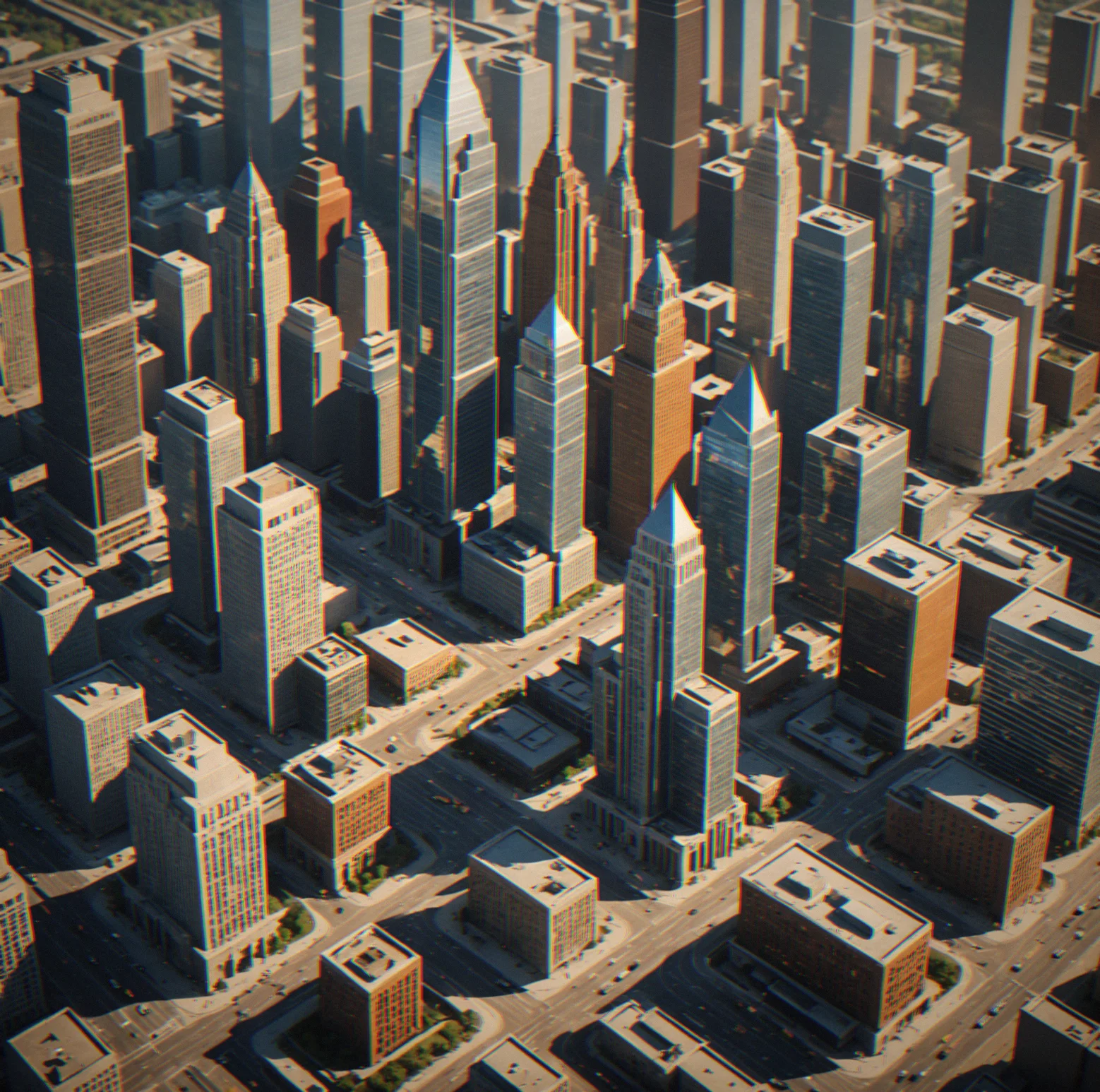
Glass, steel, concrete. Build vertical. Your city becomes dense. A modern office tower covers a fraction of the ground space as a renaissance palace but hoouses far more workers. Infrastructure strain becomes real.

A fully-developed city map from above with only 3 remaining empty commission slots highlighted, surrounded by completed medieval through modern structures

Modern: Final Decisions

By century's end, most commission slots are filled. Whatever's left shapes your legacy. Pick wrong and you're stuck with it.

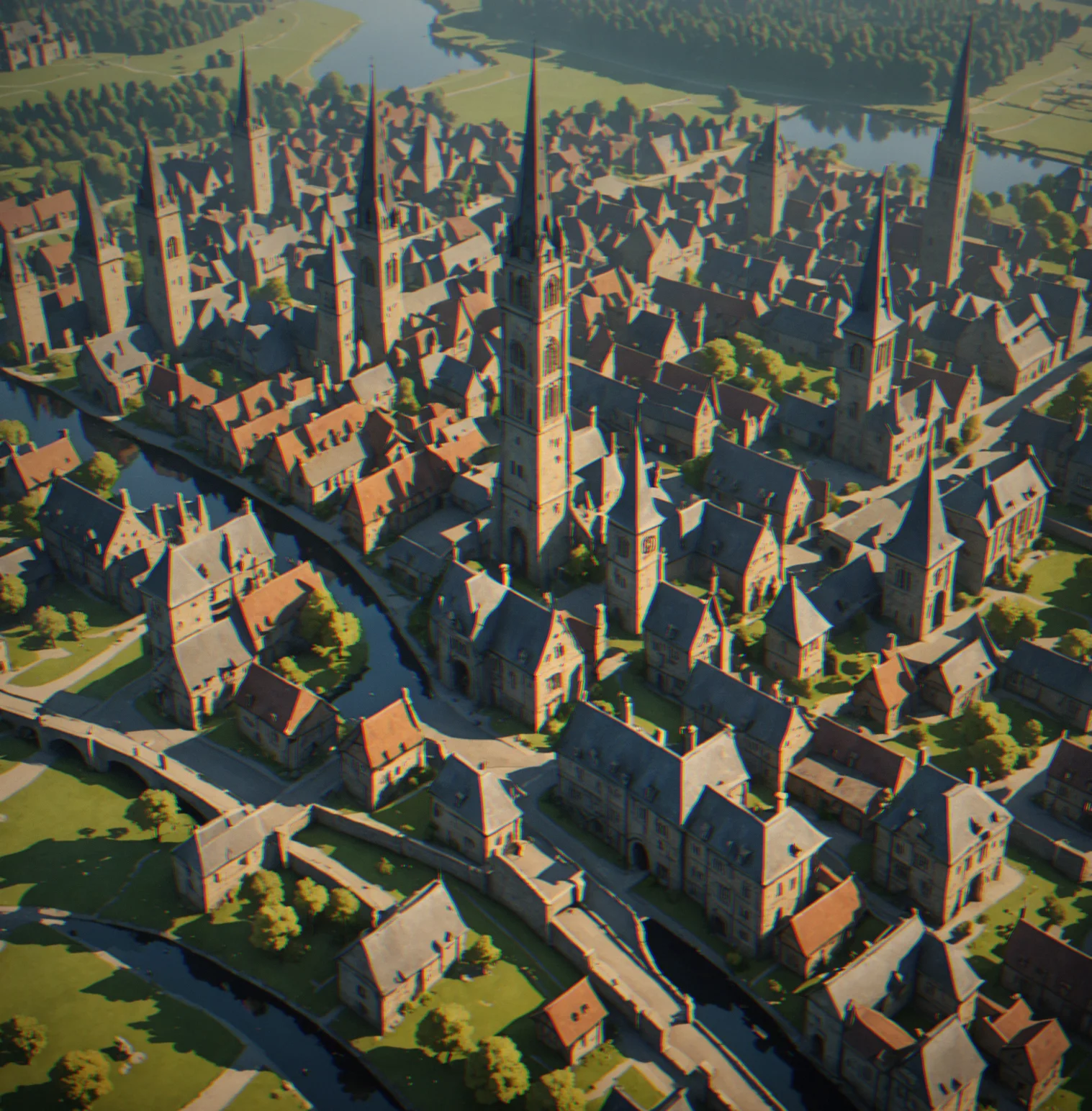
A final aerial view of a complete city spanning all four historical eras, with a single date marker showing 'Year 107' in the corner

Your World, Carved in Stone

That's it. The map is yours.

The Core Systems

How permanent decisions shape your world

A timeline showing a bridge icon placed at year 18, with a continuous line extending Forward to year 87 marked with continuing impact indicators

Commissions Last Forever

You commission a stone bridge in year 18 and it's still there in year 87. You can't remove it, you can't move it, and you definitely can't ignore it. That bridge is going to shape your trade routes, where people move and basically every choice you make for the next seven decades.

Four vertical bars showing build duration comparison across eras: medieval stone at 14 weeks, renaissance marble at 11 weeks, industrial iron at 6 weeks, modern concrete at 3 weeks

Materials Define Constraints

Medieval stone takes roughly two and a half months to quarry and lay. Renaissance marble cuts that down to just over two months but costs significantly more. Industrial iron frames go up in about six weeks though they create pollution zones nearby. Modern concrete is fastest at three weeks but you're paying a premium for it. Pick your era's tools and you live with what comes with them.

A branching tree diahram showing market hall unlocking merchant routes, which unlock cathedral, which unlock library and university commissions downstream

Planning Compounds Over Time

You build a market hall early on—say year 12. By year 17, that unlocks merchant commissions. Those merchants bring in resources to fund a cathedral by year 24. The cathedral attracts scholars who want a library built by year 31. Your early moves don't just sit there doing nothing. They open doors you literally couldn't access without them.

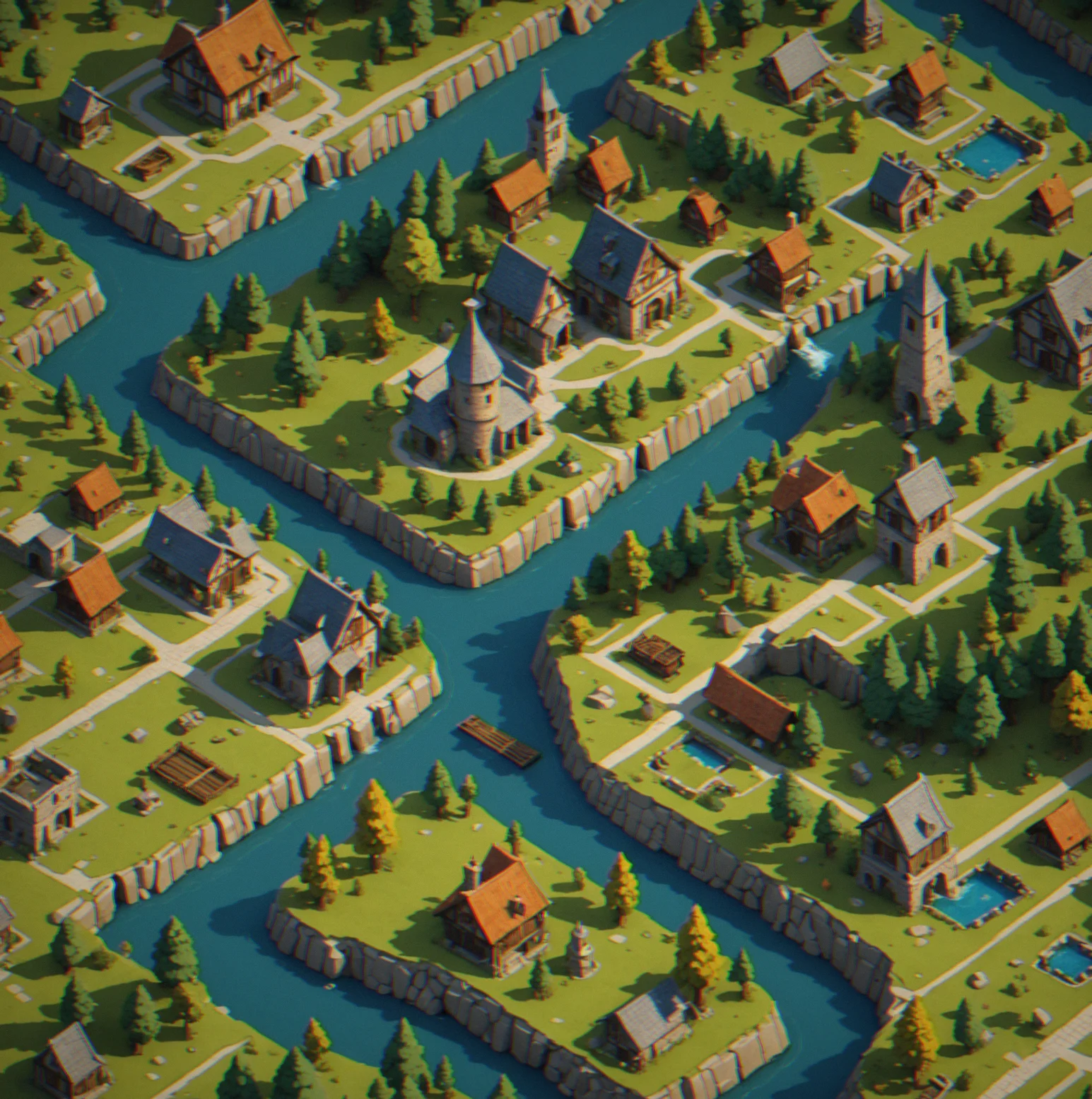
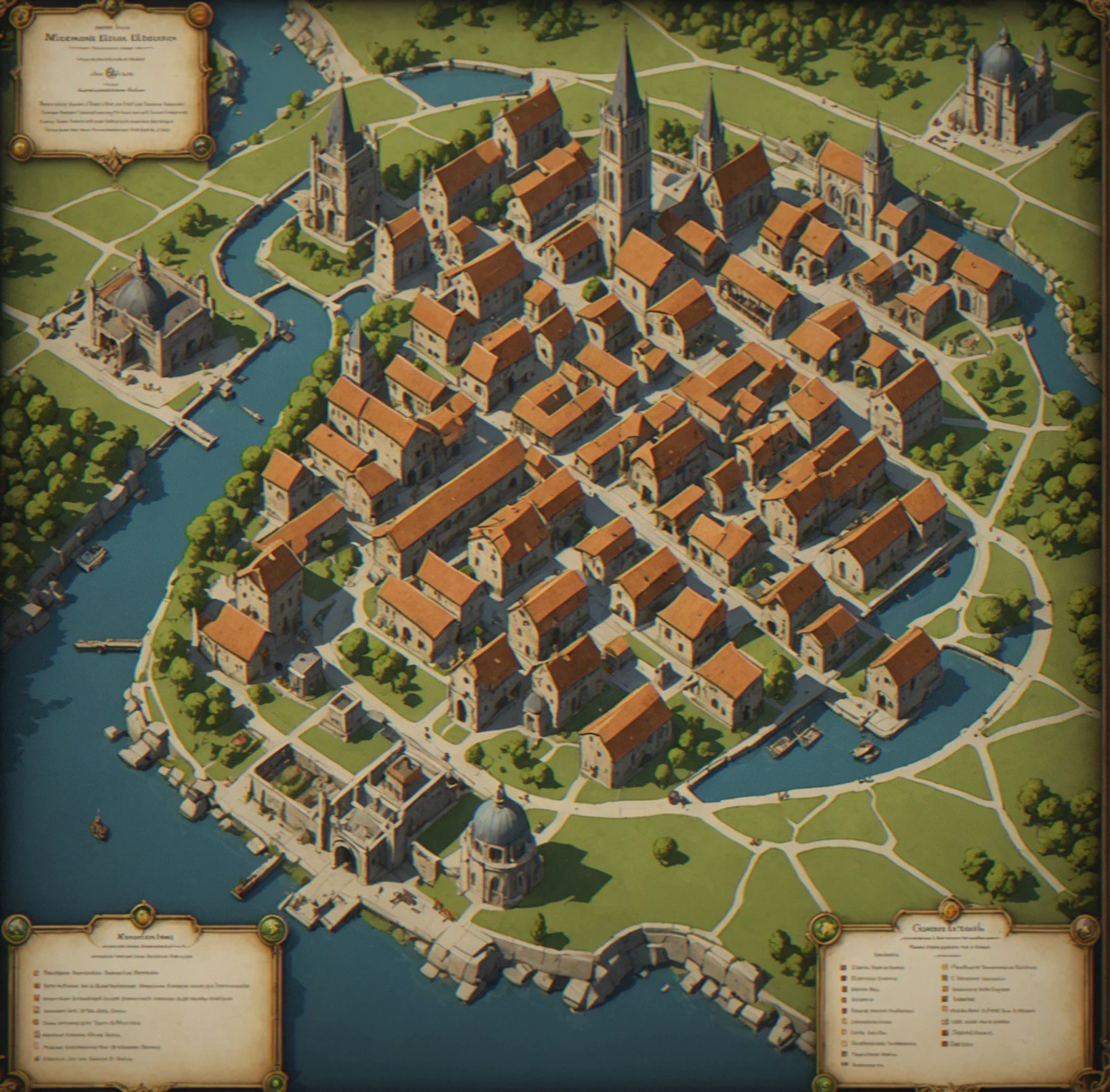
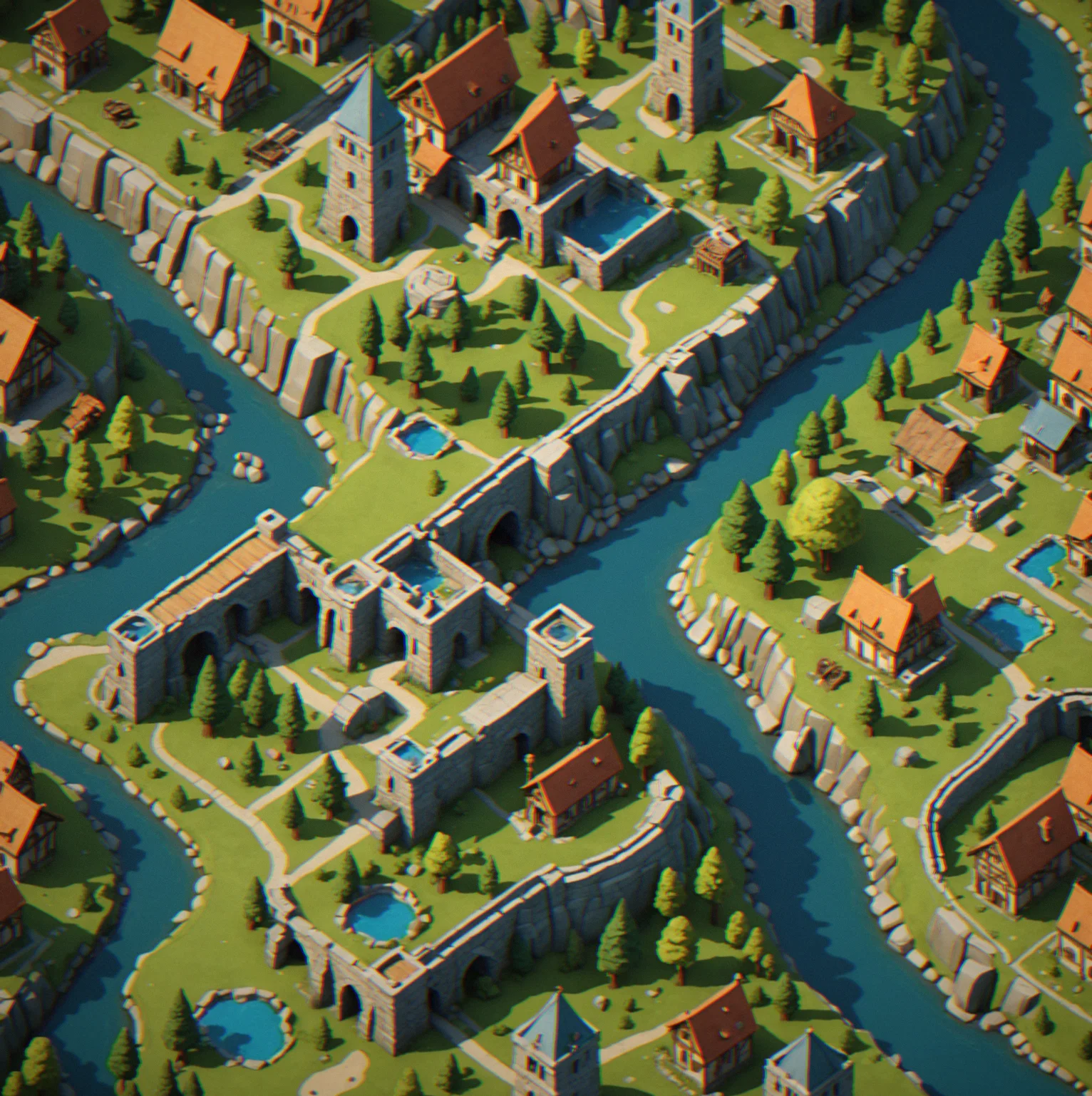
An isometric view of a game map showing varied terrain: river valley, forest patches, rolling hills, with commission slot markers placed intentionally throughout

The Map Never Resets

It's hand-crafted, not randomly generated. You're playing on the same piece of land from year 1 all the way through year 100 and beyond. Your buildings sit in specific spots. You learn the map's quirks and figure out how to work with them. The world develops a real personality, and so does your place in it.

Four district snapshots showing the same geography transformed: medieval walls and timber, renaissance plazas and marble, industrial factories and smoke, modern towers and highways

Each Era Feels Distinct

Medieval is all about defense and keeping people fed. Renaissance wants beautiful things and good trade connections. Industrial is hunting efficiency and pumping out goods. Modern is juggling density and dealing with pollution. You're solving completely different problems in each period because the rules shift under you—and that's where the interesting stuff happens.

HOW IT WORKS

Commission Systems & Legacy Building

A medieval marketplace commission UI showing resource costs (timber, stone, gold), build duration (14 weeks), and impact zones marked on the map below

Stonefolio breaks the city-builder mold. You don't plop buildings wherever you want. Instead you commission specific projects—a stone bridge, a marble cathedral, an iron foundry. Each one has a cost, a build time, and a footprint. You approve it and then wait, watching it take shape over weeks or months of game time. Once it's done, it stays. No demolishing, no moving it, no takebacks. That permanence changes how you think. You're not chasing the next turn anymore. You're building something that compounds across a hundred years or more.

The era matters for everything. Medieval workers build with timber and stone and it takes 14 to 16 weeks for anything major. They don't have concrete or steel—those aren't invented yet. Renaissance brings marble and better techniques, cutting it down to 10 or 12 weeks. Jump to the Industrial age and you get factories and railways and smokestacks that poison the land around them. Modern tech finishes fast—3 or 4 weeks—but it costs more. Each era is its own puzzle with its own rules. Your task is figuring out what works within those limits, not fighting them.

100+

Years of continuous gameplay per world

4

Historical eras with distinct mechanics and materials

A city district transformed across three eras: medieval timber walls, renaissance marble facades, then modern glass towers all occupying the same geography

Your early moves set up everything after. Commission a market in year 12 and merchants start arriving by year 17. They bring wealth, which funds a cathedral in year 24. A cathedral draws scholars, unlocking university commissions by year 31. It's a domino effect and you're the one who pushed the first piece. The game watches these chains play out over decades. That's where it gets interesting.

A branching dependency chart showing how a market hall commission unlocks merchant routes, trade roads, and suubsequent cathedral and warehouse commissions

12–16

Weeks to complete a major medieval commission

Permanent decisions that shape your world
What Makes Stonefolio Different

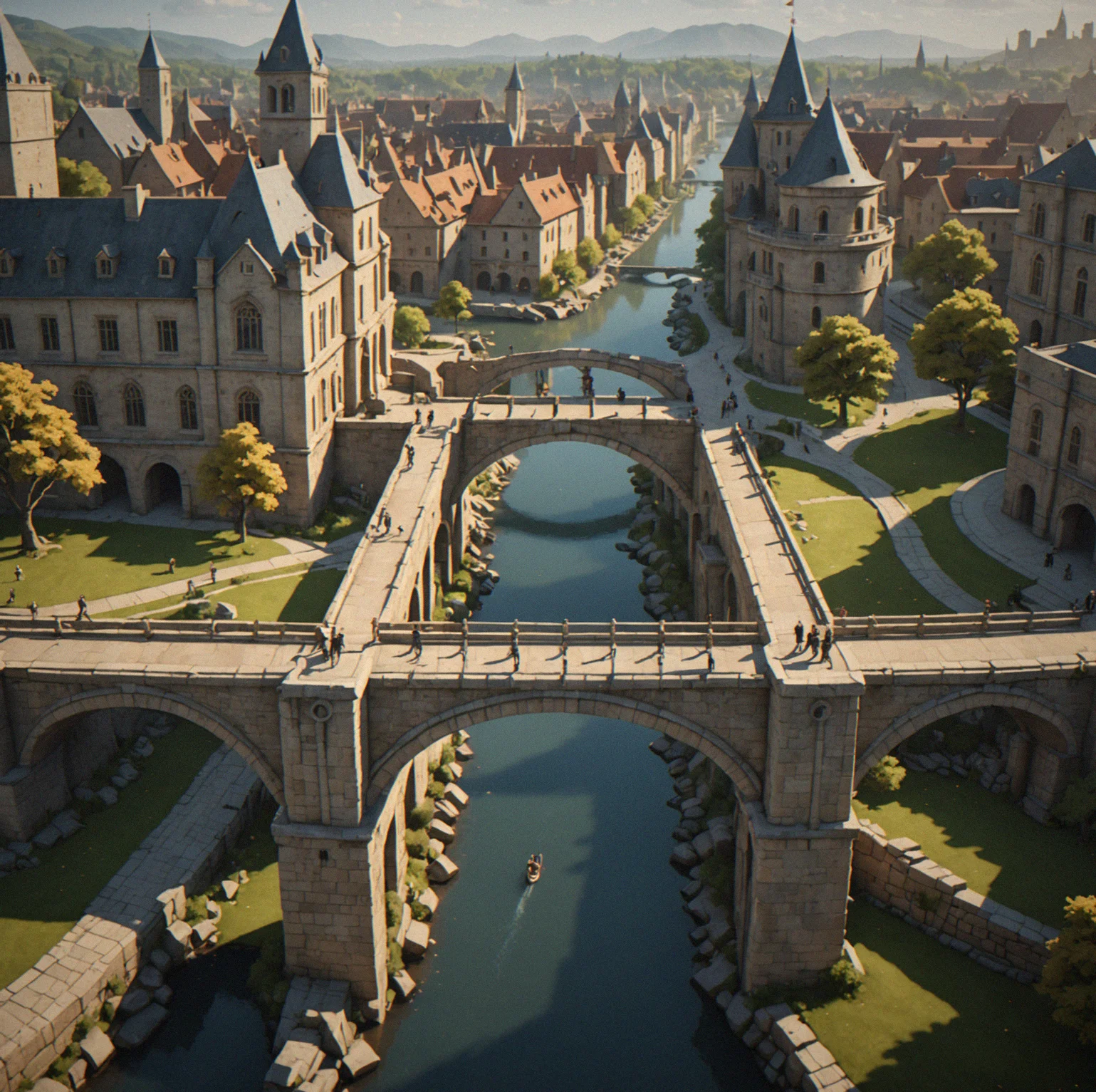
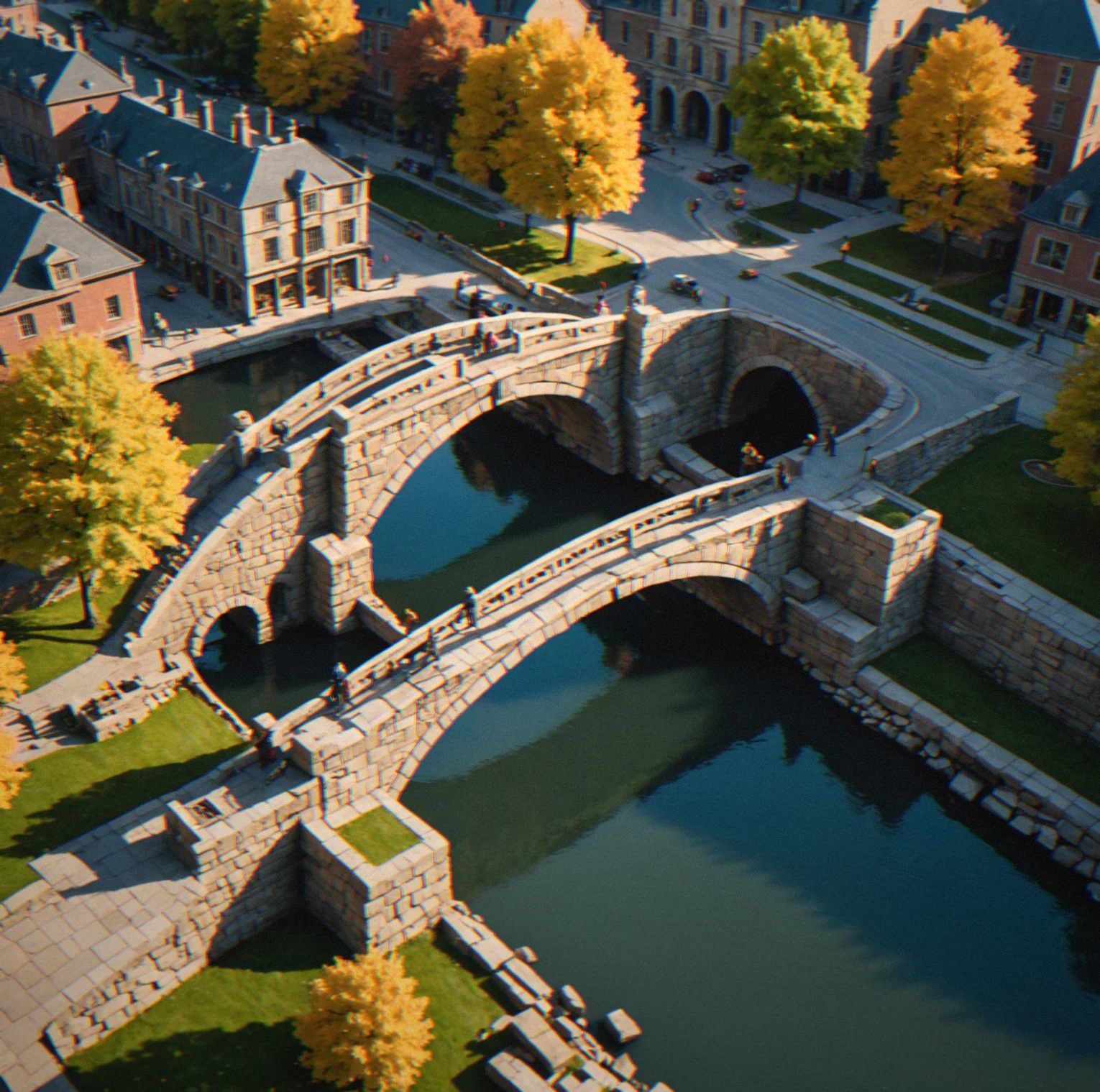
A stone bridge spanning a river with construction crew visible, dated year 18 in the corner with a faded outline showing its presence 70 years later

Permanent Commissions

You build a bridge in year 18 and it's still standing in year 87. Not gone, not demolished, not reset. Your decisions stick around, reshaping everything that comes after them.

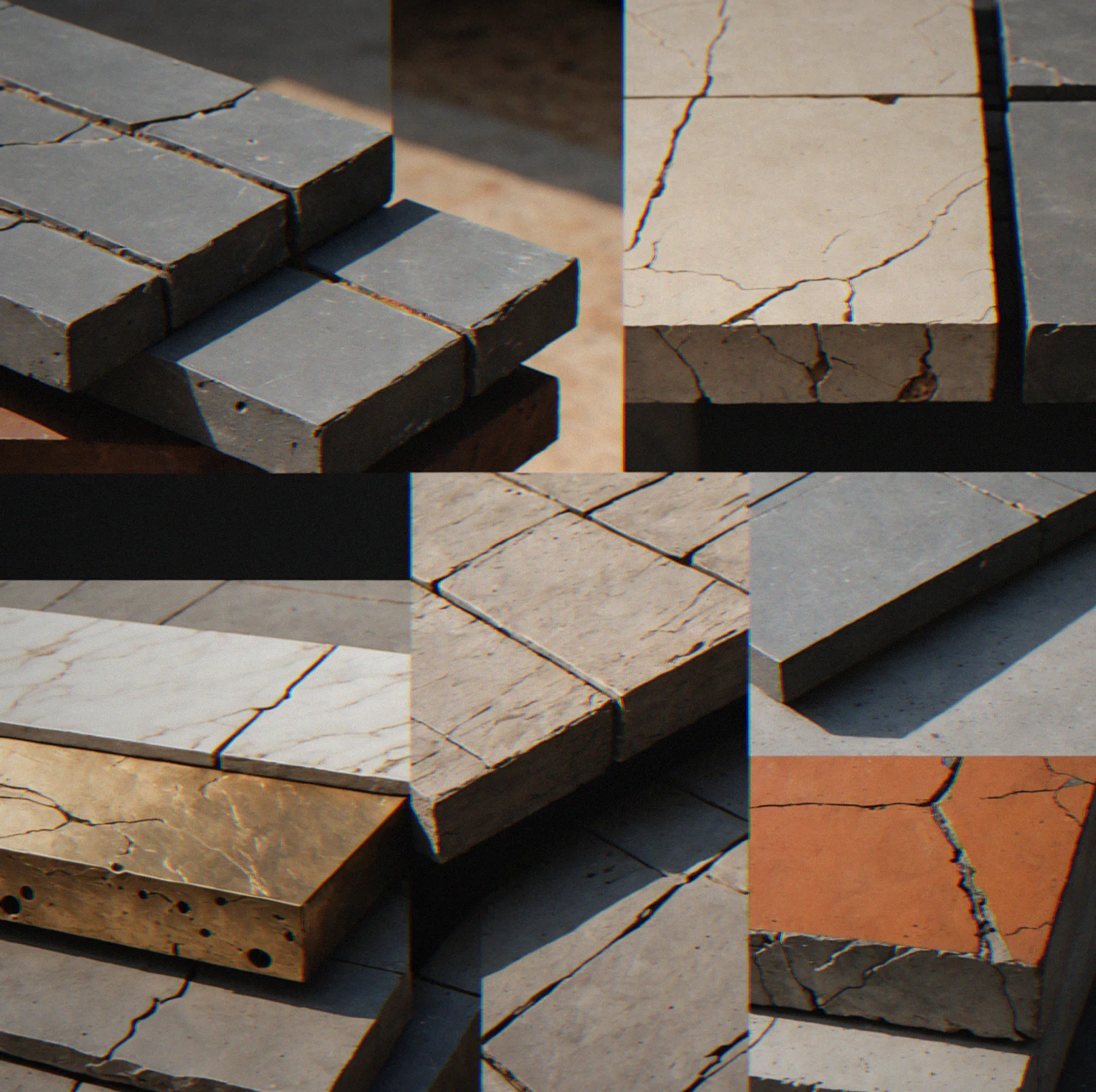
Four material samples arranged in era sequence: weathered timber plank, polished marble chunk, rust-edged iron plate, smooth concrete block

Era-Specific Materials

Timber and stone in the medieval period. Renaissance unlocks marble. When industry kicks in you get iron and brick. Modern era brings concrete and steel. Each one changes how long things take to build, what they cost, and how they actually look. You're not just moving through time—the rules themselves change with you.

Split-screen comparison showing same district with defensive tower reducing crops on left, and open farmland with lower militia strength on right

Trade-Off Design

A tall tower blocks sunlight from the farmland but it strengthens your defenses. A factory makes you money but clouds the air with smoke. You can't have it all. Every choice you make creates consequences that ripple forward.

A dependency flowchart showing market commission at top, branching down through merchant routes, cathedral, and library unlocks with year markers between each

Legacy Chains Unlock Projects

A market opens doors to merchant work. Merchants fund a cathedral. The cathedral brings scholars who want a library. One decision lights up options you couldn't even see before. Everything connects.

Isometric map view showing rolling terrain, winding river, forest patches, and deliberately placed commission slots respecting natural geography

Hand-Crafted Map

This isn't randomly generated. Every hill, stream and patch of grass was placed on purpose. The world has character. Your buildings fit into the landscape instead of bulldozing it.

Timeline visualization spanning 100+ years with same city district transforming: year 1 empty meadow, year 30 timber cottages, year 60 stone buildings, year 100 modern towers

100+ Year Playthrough

One continuous world that spans over a century. Watch what you built early on compound and shift as time passes. Medieval villages turn into renaissance towns which become industrial cities. Single playthrough. Single world.

Aged parchment journal entry with hand-drawn sketches of commissioned cathedral, written narrative praising its architecture, dated and signed by an in-game architect

Narrative Progression

Characters in the world remember what you built and talk about it by name. Chronicles record your work. The landscape itself tells your story, not just the mechanics underneath.

Medieval district planning map showing available stone resource deposits, worker quarters and constraint zones marked in red where certain commissions can't be placed

Problem-Solving Within Constraints

Medieval periods don't have modern technology available. Factories create pollution zones that limit where you can expand. Population caps gate how much you can grow. You solve problems inside the rules, not by breaking them. That's where the actual puzzle lives.

QUESTIONS

Common Questions About Stonefolio

How commissions work, what permanence actually means, and whether you can mess it up—answered directly.

Nope. Once a commission finishes, it stays. That's the whole point of the game—your decisions are locked in forever. No demolishing, no moving things around, no pretending they're not there. Put a factory next to farmland in year 23 and you'll be looking at that choice for the rest of your playthrough.

You're looking at over a century of game-years. Real time varies depending on how you play but most people end up putting somewhere between 30 and 60 hours into a world. It's the full journey from a small medieval settlement all the way to a modern city. Once you're done, that world is finished—there's no starting over on the same map.

You can't know everything ahead of time, and that's kind of the point. Early commissions unlock later ones you had no way of predicting. Build a market hall in year 12 and suddenly merchant routes open up that you never saw coming in year 1. The game rewards thinking ahead, but not knowing the future. You figure things out as you go and what you do early shapes what's possible later.

Each commission shows you exactly what it costs and how long it takes before you commit to it. You get the full breakdown—timber, stone, gold, workers—and you can't start anything until you actually have those resources. There's no halfway point where a project falls apart. The real challenge is picking the right commission at the right moment, not scrambling to finish something you've already started.

The geography stays consistent across playthroughs—same rivers, same hills, same forests every time. What's different is where you decide to build and how those choices ripple forward through the centuries. Two people playing on the same map will end up with totally different cities because they made different commission choices.

The game moves through eras on its own timeline—you go from medieval to renaissance to industrial to modern no matter what. You can't skip ahead or lock yourself into one era forever. The shift happens somewhere around year 25 to 30 depending on how things are progressing, and each era brings new building materials and mechanics. It's one continuous timeline by design, not a pick-and-choose thing.